
The Housing Market Is Stuck. Here’s Why Home Repairs Are Becoming a Priority


Buying a new home used to be one of the obvious next steps when a family needed more space, wanted an updated kitchen, or simply felt ready for a change.
In 2026, that decision has become much more complicated.
High mortgage rates, affordability concerns, and uncertainty about the economy are keeping many Americans on the sidelines.
In July, sales of newly built single-family homes fell 10.5% from June, reaching their lowest annualized pace since January.
But homeowners aren't necessarily giving up on their homes.
Instead, many are becoming more selective about where they spend their money.
Rather than taking on every major renovation they want, homeowners are increasingly prioritizing home repairs, maintenance, and projects that protect the house they already own.
For homeowners in Georgia, that shift raises an important question:
If you're going to stay in your home longer, what should you be fixing now instead of putting off until later?
Home Repairs Are Taking Priority Over Big Renovations

A new 2026 survey from Angi gives us a good look at what's happening.
Among homeowners who recently hired professionals, 63% completed maintenance work and 58% completed repairs, compared with only 35% who completed renovations.
That's an important distinction.
A new backsplash can wait. A different countertop can wait. A completely redesigned bathroom may be something you save for.
But a leaking roof, plumbing leak, wet drywall, damaged flooring, mold growth, or water entering your home is a different situation.
Those aren't simply cosmetic improvements. They're problems that can potentially affect other parts of the house if they're ignored.
Angi also found that 23% of homeowners who delayed a project did so because an unexpected or emergency project came up instead.
For homeowners trying to be careful with their money, the question is becoming less about what they want to renovate and more about what their home actually needs.
The Housing Market Is Giving Homeowners Another Reason to Stay Put

Mortgage rates are an important part of this story.
Someone who bought or refinanced a home when mortgage rates were significantly lower may look at today's borrowing costs and decide that moving simply doesn't make financial sense.
That creates an unusual situation.
Instead of asking:
“What house should we buy next?”
More homeowners may be asking:
“How do we make this house work for us?”
That can mean updating an older kitchen, replacing worn flooring, repairing a roof, addressing plumbing problems, fixing water damage, or finally taking care of maintenance that has been pushed aside.
The housing market may be slow, but the homes people already own still need attention.
And when moving isn't attractive, maintaining the home you already have becomes even more important.
Staying Longer Means Your Home Has to Last Longer

Homes don't stop aging because the housing market slows down.
Roofs continue to weather. Plumbing connections wear out. Water heaters age. Caulking and seals deteriorate. Appliances leak.
HVAC systems create condensation. Storms damage shingles, siding, and gutters.
And small moisture problems can become much larger problems when they aren't discovered.
America's housing stock itself is also getting older.
Harvard's Joint Center for Housing Studies reports that the median age of the U.S. housing stock reached 44 years in 2023, compared with 39 years in 2013 and only 28 years in 1993.
As houses age, they naturally require more attention to aging components and systems.
That's another reason home repairs deserve more attention when you're planning to remain in the same house for years to come.
A Small Water Problem Can Become a Much Bigger Repair

Water damage is one of the clearest examples of why certain repairs shouldn't automatically be postponed.
Imagine noticing a small discoloration on the ceiling.
It might seem harmless enough to watch for a few weeks.
But what's happening above the ceiling?
The source could be a plumbing leak, roof problem, HVAC issue, overflowing drain, failed appliance connection, or another source of unwanted moisture.
Meanwhile, water may be affecting insulation, drywall, flooring, cabinetry, or other building materials.
The visible stain isn't always the full extent of the problem.
That's why finding the source of water intrusion is just as important as repairing what you can see.
If you're planning to stay in your home, addressing the cause early can help protect surrounding areas of the house from additional damage.
Your Roof Is Protecting Everything Underneath It

North Georgia homeowners also have to think about the beating their roofs take throughout the year.
Strong winds, thunderstorms, hail, falling branches, and heavy rain can all affect roofing systems.
And roof damage isn't always dramatic.
You don't need a tree sitting in the middle of your living room to have a problem.
Missing or damaged shingles, flashing problems, or small openings can allow moisture into an attic. From there, water may eventually reach insulation, ceilings, walls, and other parts of the home.
If you're planning to stay in your home for another five or ten years, keeping the roof and exterior of your home in good condition becomes even more important.
The roof isn't just another part of the house. It's protecting nearly everything underneath it.
Don't Ignore Moisture and Mold

Another problem homeowners sometimes postpone is moisture.
Maybe there's a persistent musty smell. Maybe an area under a sink stays damp. Maybe water entered a room during a previous storm and everything appeared to dry afterward.
Those situations deserve attention.
Mold needs moisture to grow, which means discovering mold or persistent dampness can also indicate an underlying moisture problem that needs to be identified.
Simply covering a stain or repainting an affected wall doesn't necessarily solve what's happening behind it.
When you're planning to stay in the same home longer, identifying moisture problems and addressing their source should be part of protecting the property for the years ahead.
Repairs Can Also Become an Opportunity to Improve Your Home

There is another side to this trend.
Sometimes necessary restoration work creates an opportunity to finally make improvements you've been considering.
For example, imagine significant water damage affects a kitchen.
The first priorities are stopping the source, removing damaged materials, drying the structure, and making sure the area is ready for reconstruction.
But once reconstruction begins, a homeowner may decide it's the right time to change the flooring, cabinets, paint colors, countertops, or other finishes.
The same thing can happen with bathrooms, flooring, drywall, ceilings, and other areas of the house.
That's one advantage of working with a restoration company capable of handling both the initial damage and the reconstruction afterward.
Instead of thinking only about returning the property to usable condition, homeowners can consider how they want the finished space to look for the years they're planning to stay there.
Why North Georgia Homeowners Should Pay Attention

North Georgia brings its own challenges.
Homes throughout Hall, Forsyth, Dawson, Lumpkin, White, Gwinnett, Cherokee, Banks, Habersham, Jackson, Clarke, North Fulton, and Cobb counties experience everything from severe thunderstorms and falling trees to plumbing failures and everyday household leaks.
Some homes are relatively new. Others have been standing for decades.
Either way, preventative maintenance matters.
If moving isn't part of your immediate future, protecting the house you already have becomes even more valuable.
That means paying attention to the roof, plumbing, appliances, moisture, exterior drainage, HVAC systems, and other areas where relatively small problems can eventually create property damage.
Not Every Project Needs to Happen Right Now

We're not suggesting homeowners rush into every project on their wish list.
In fact, with homeowners watching their budgets closely, prioritization may be more important than ever.
A cosmetic renovation you want and a repair your home needs aren't necessarily the same thing.
If budgets are tight, consider giving priority to problems involving:
Active water intrusion
Roof or storm damage
Plumbing leaks
Persistent moisture
Mold concerns
Damaged drywall, ceilings, or flooring
Fire or smoke damage
Structural or safety concerns
Then plan discretionary improvements around your budget.
The goal isn't to spend money unnecessarily.
It's to recognize which problems deserve attention and which projects can reasonably wait.
That appears to be what many homeowners are already doing. Even as larger discretionary projects face pressure, demand for home repair and maintenance has remained resilient.
Taking Care of the Home You Already Own

Nobody knows exactly when the housing market will become easier for buyers and sellers.
Mortgage rates will change. Home prices will move. Inventory will rise and fall.
But your home still needs to be maintained in the meantime.
If you're going to stay for another few years, putting off an active leak, damaged roof, persistent moisture problem, or other necessary home repairs because you eventually plan to move doesn't necessarily make sense.
There's also evidence that homeowners aren't abandoning their long-term plans.
Angi's 2026 survey found that 66% of homeowners plan to make a major home investment within the next five years.
Today's delayed renovation may still happen tomorrow.
But in the meantime, the repairs that protect your home still matter.
Sometimes the best investment isn't buying a different house. It's taking better care of the one you already have.
Why Homeowners Trust Clean Way Restoration
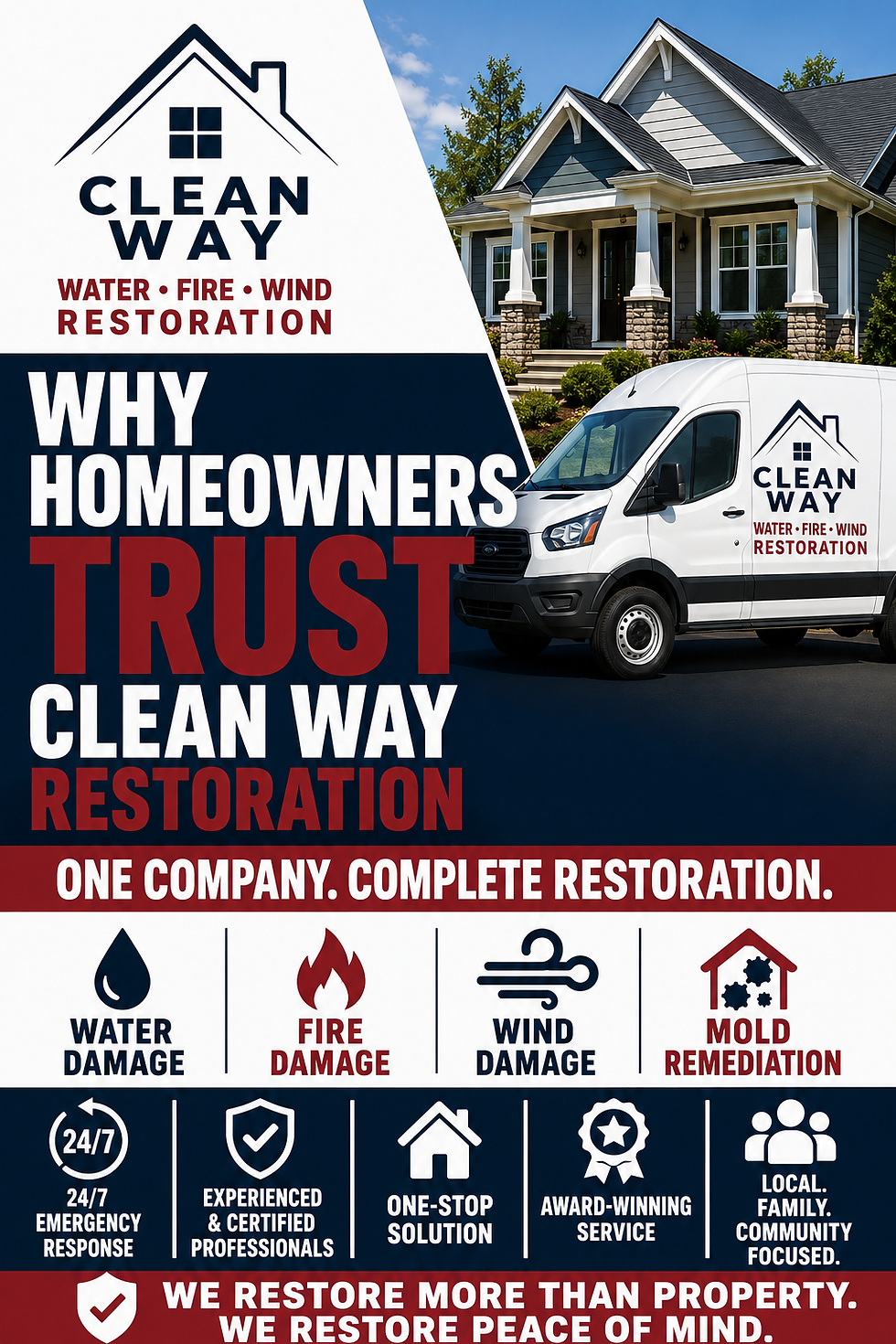
Clean Way Restoration has been helping homeowners throughout North Georgia recover from property damage since 1987.
As a locally owned, family-operated restoration company, Clean Way can help homeowners through multiple stages of the restoration process rather than stopping after the initial cleanup.
Our services include:
Water damage mitigation and restoration
Fire and smoke damage restoration
Mold remediation
Storm, wind, and tree damage
Emergency roof tarping and board-up
Roofing and repairs
Full reconstruction
Kitchen, bathroom, flooring, drywall, and other interior repairs.
Clean Way also brings valuable experience to the restoration process, with leadership backgrounds that include insurance claims adjusting and civil engineering.
Whether you're dealing with an unexpected emergency or repairing part of the home you plan to enjoy for years to come, the goal is the same: identify the problem, address the damage, and restore your home properly.
Frequently Asked Questions About Home Repairs

Should I postpone a repair if I'm planning to move eventually?
It depends on the repair. Cosmetic improvements may be easy to postpone, but active water intrusion, roof damage, plumbing leaks, mold, or other problems can potentially worsen while you wait.
What are some signs of hidden water damage?
Water stains, bubbling paint, warped flooring, musty odors, soft drywall, and unexplained moisture can all be signs that an area deserves further investigation.
Can Clean Way handle the repairs after water mitigation?
Yes. Clean Way Restoration handles mitigation as well as reconstruction and repairs, allowing homeowners to move from the damage-removal stage through rebuilding.
Should I remodel while my home is being reconstructed?
That depends on the project and your budget. When damaged kitchens, bathrooms, flooring, or other materials already need replacement, reconstruction can sometimes provide an opportunity to make planned updates at the same time.
Does Clean Way offer emergency service?
Yes. Clean Way Restoration provides 24/7 emergency service for property damage throughout its North Georgia service area.
Staying Put? Make Sure Your Home Is Ready for the Years Ahead.
If you've decided to stay in your current home, don't let water damage, storm damage, mold, or needed home repairs quietly get worse.
Clean Way Restoration is available 24/7 throughout North Georgia.
Schedule your FREE assessment today.
📞 770-536-9258
Water • Fire • Storm • Mold • Reconstruction


Comments